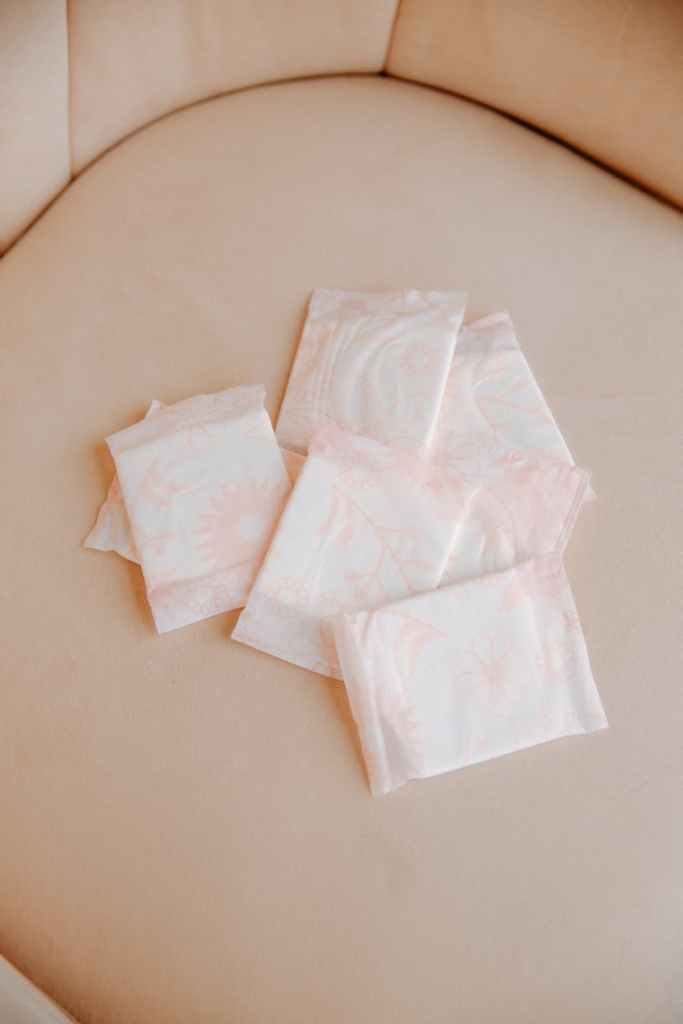
When it comes to feminine hygiene, the marketing industry has spent decades trying to convince us that our bodies are “unclean” or that they should smell like a tropical breeze. In reality, the vagina is a sophisticated, self-cleaning organ with a delicate ecosystem of beneficial bacteria.
Maintaining proper hygiene isn’t about using the most scented products, it’s about supporting your body’s natural defenses. Here is a guide to the essential do’s and don’ts of intimate health.
The Golden Rule: Internal vs. External
Before we dive in, it is vital to understand the difference between the vagina (the internal canal) and the vulva (the external skin).
The Vagina: Self-cleaning. Nothing should ever go inside for cleaning purposes.
The Vulva: Needs gentle external cleaning, similar to the rest of your skin, but with more care.
The Do’s: Supporting Your Natural Balance
1. DO Use Warm Water and Gentle Cleansers
For the vulva, plain warm water is often enough. If you prefer using soap, choose a mild, unscented, pH-balanced cleanser. Avoid anything with “fragrance” or “parfums,” which can cause micro-tears and irritation.
2. DO Wear Breathable Fabrics
Your “down there” needs to breathe. Moisture-wicking fabrics help prevent the overgrowth of yeast and bacteria.
The Choice: 100% cotton underwear is the gold standard.
The Tip: Try to sleep without underwear occasionally to allow for maximum airflow.

3. DO Wipe from Front to Back
It’s a simple rule we’re taught young, but it’s the most effective way to prevent E. coli and other intestinal bacteria from entering the vaginal opening or urethra, which can lead to UTIs or bacterial vaginosis (BV).
4. DO Change Menstrual Products Frequently
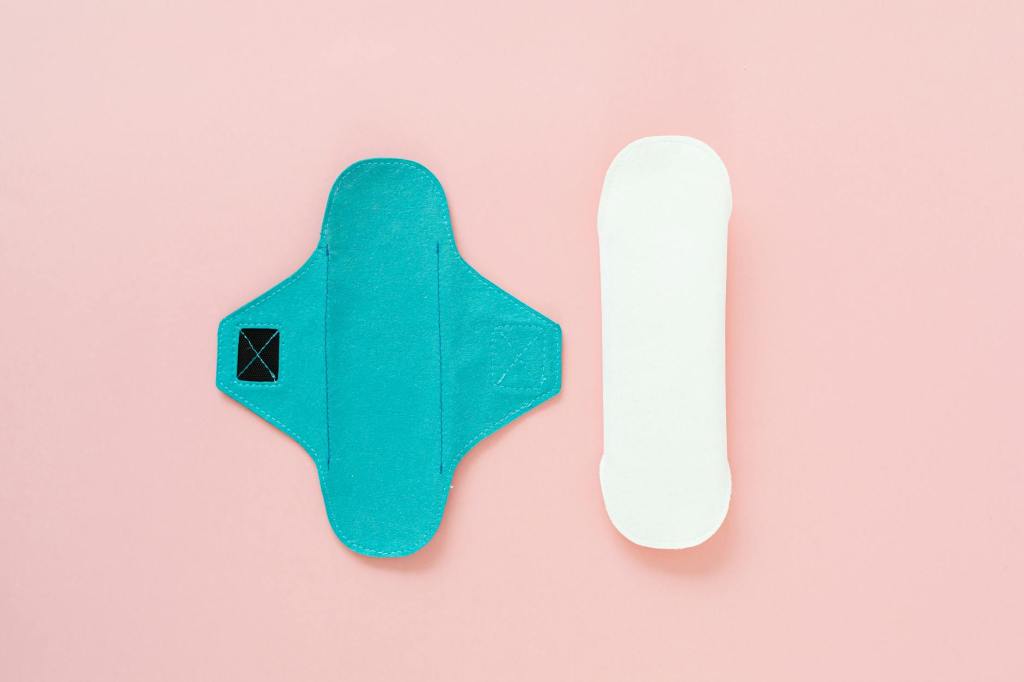
Regardless of how light your flow is, change tampons and pads every 4–6 hours. If you use a menstrual cup or disc, ensure it is sterilized in boiling water between cycles.
5. DO Pee After Sex
This helps flush out any bacteria that may have been pushed toward the urethra during activity, significantly reducing the risk of post-coital UTIs.
The Don’ts: What to Avoid
1. DON’T Douch (Ever)
Douching is the practice of spraying liquid into the internal vaginal canal. This is one of the most harmful things you can do to your feminine health. It flushes out the “good” Lactobacilli bacteria, skyrocketing your risk of infections and pelvic inflammatory disease.
2. DON’T Use Scented “Hygiene” Products
Scented tampons, “feminine deodorants,” and vaginal wipes are unnecessary and often contain harsh chemicals. They disrupt the natural pH (which should be slightly acidic, between 3.5 and 4.5) and can lead to contact dermatitis.
3. DON’T Ignore Unusual Odors
While a mild, musky scent is perfectly normal and healthy, a “fishy” odor or a sudden change in smell combined with a change in discharge (grey, green, or cottage-cheese-like) is a signal from your body.
The Action: Don’t try to “wash it away” with soap; make an appointment with your gynecologist to check for BV or yeast.
4. DON’T Stay in Wet Clothes
Whether it’s a sweaty gym set or a wet swimsuit, staying in damp bottom-wear creates a “greenhouse effect”, the perfect warm, moist environment for yeast to thrive.

Summary: Less is More
The most important takeaway for feminine hygiene is that your body knows what it’s doing. Your natural scent is a sign of a healthy, functioning ecosystem. By sticking to breathable fabrics, gentle external washing, and avoiding internal “cleansing,” you allow your body to maintain the delicate balance it needs to stay healthy.
DISCLAIMER:
This content is for educational purposes. If you are experiencing pain, itching, or unusual discharge, please consult a healthcare professional for a proper diagnosis.
 Her Wellness notes