Understanding the Difference Between Cycle Shifts and PMS

For anyone with a menstrual cycle, the days leading up to a period can feel like a bit of a mystery. One month you might feel slightly tired, and the next, you’re crying over a commercial or dealing with intense cravings.


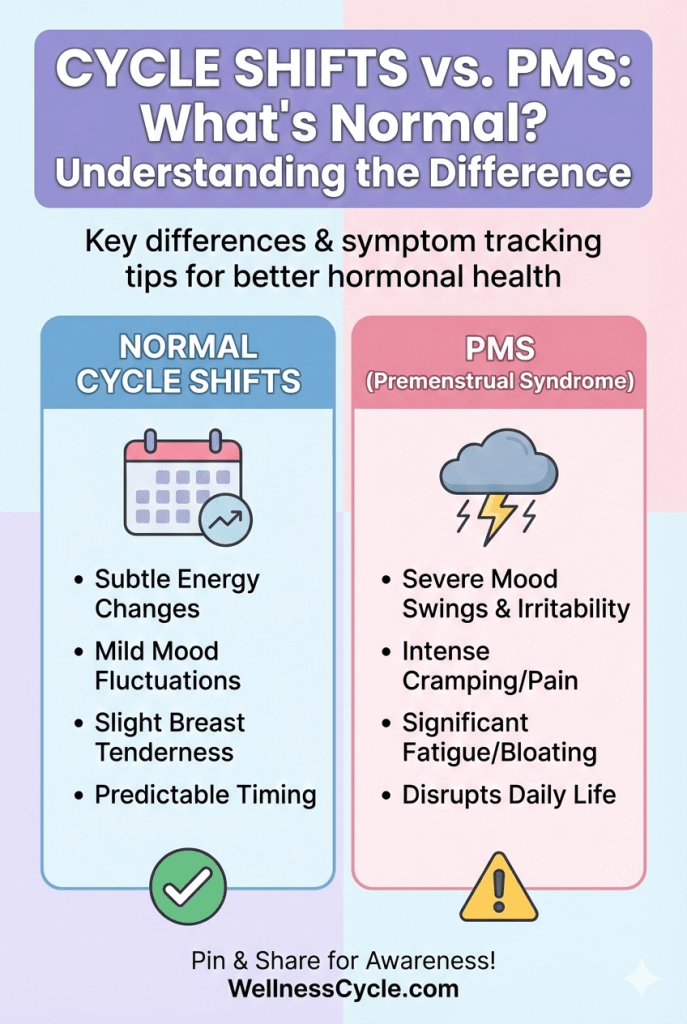
Because our hormones, specifically estrogen and progesterone, fluctuate throughout the month, it is perfectly normal to feel “different” during your luteal phase (the time between ovulation and your period). But when do these changes cross the line into Premenstrual Syndrome (PMS)?
Let’s break down the distinction between healthy cycle shifts and clinical PMS.

The Normal Luteal Phase: What to Expect
In a healthy cycle, progesterone rises after ovulation. Progesterone is often called the “chilling” hormone because it has a calming effect on the brain. However, as it peaks and then begins to drop right before your period, your body undergoes physiological changes.

Normal symptoms often include:
Mild Breast Tenderness: A slight heaviness or sensitivity.
Subtle Energy Shifts: Feeling a little more tired than usual or preferring a quiet night in over a loud party.
Mild Bloating: Slight water retention that doesn’t interfere with your ability to wear your normal clothes.
Appetite Changes: A slight increase in hunger (your body actually burns more calories during this phase!).
The “Awareness”: You feel that your period is coming, but it doesn’t stop you from living your life.

When It Becomes PMS
PMS is defined by a cluster of physical and emotional symptoms that occur consistently in the second half of the cycle and, most importantly, interfere with some aspect of your life. If you find yourself missing work, snapping at loved ones, or feeling unable to function normally, it likely falls under the PMS umbrella.

The “Red Flag” Zone: PMDD
If your symptoms are extreme, specifically involving feelings of hopelessness, intense anger, or severe depression, you may be experiencing Premenstrual Dysphoric Disorder (PMDD). This is a severe, sometimes disabling extension of PMS and requires clinical support.

How to Track and Tell
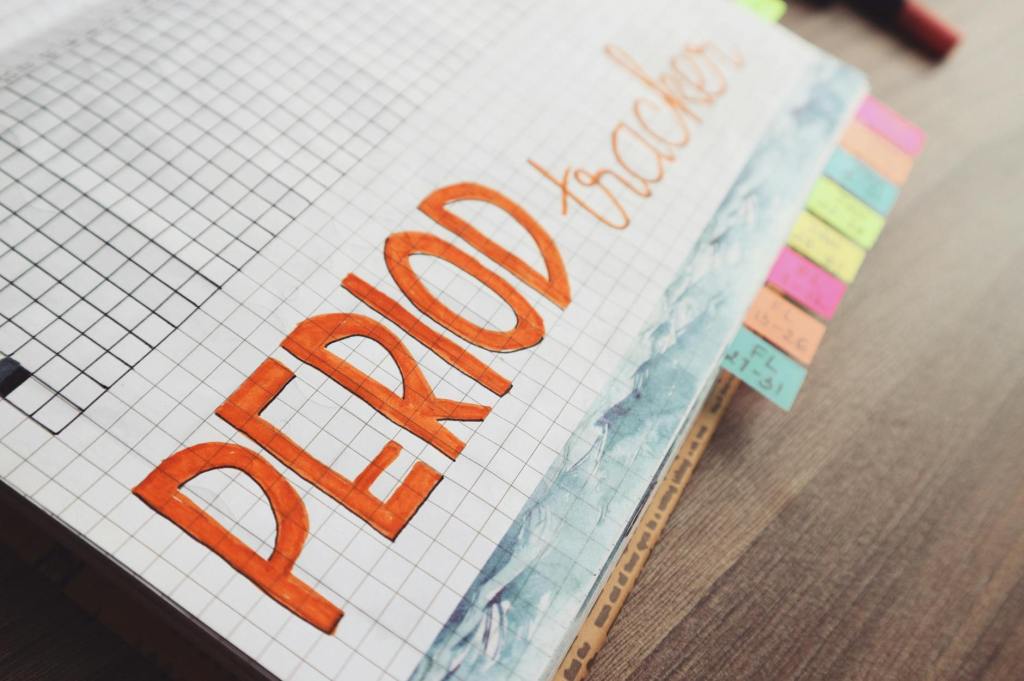
Because “normal” is subjective, the best way to know what’s happening in your body is to track it for three consecutive months.
Use a Journal or App: Note your mood, energy, and physical symptoms daily.
Look for the “Window”: Do symptoms disappear within 1–2 days of your period starting? (This is a hallmark of PMS).
Rate the Impact: On a scale of 1–10, how much did your symptoms disrupt your day? If you’re consistently hitting 7 or above, it’s worth a conversation with your doctor.

Summary
Feeling different in the days leading up to your period is a sign that your hormones are working. However, suffering is not a requirement of being a woman. If your cycle feels like a monthly crisis rather than a manageable shift, your hormones might just need a little extra support through lifestyle changes or medical guidance.


Note: If you are experiencing severe emotional distress, please reach out to a healthcare provider or a mental health professional immediately.

Balanced Living: 5 Essential Lifestyle Habits for Healthy Hormones

Hormones are the body’s chemical messengers, traveling through your bloodstream to tissues and organs to tell them what to do. They control almost every major process in the body, from metabolism and mood to reproductive health and sleep cycles. When your hormones are in harmony, you feel energetic, focused, and vibrant. When they are out of whack, it can lead to fatigue, weight gain, brain fog, and irritability.
While genetics and medical conditions play a role, your daily habits have a profound impact on your hormonal landscape.

Here are five lifestyle pillars to help you cultivate hormonal balance naturally.

1. Prioritize “Sleep Hygiene”
Sleep is not a luxury; it is a biological necessity for hormonal regulation. During deep sleep, your body regulates levels of cortisol (the stress hormone) and produces growth hormone, which is essential for cell repair and metabolism.


The Habit: Aim for 7–9 hours of quality sleep. Try to go to bed and wake up at the same time every day to sync your circadian rhythm.
Pro Tip: Stop using screens (blue light) at least 60 minutes before bed. Blue light suppresses melatonin, the hormone that tells your body it’s time to rest.

2. Eat for Blood Sugar Stability
Every time you eat, your body releases insulin to manage blood sugar. Chronic spikes in insulin (often caused by high-sugar diets) can lead to insulin resistance, which is a major driver of hormonal imbalances like PCOS and metabolic syndrome.


The Habit: Focus on “The Golden Trio” at every meal: Fiber, Healthy Fats, and Protein. This combination slows the absorption of sugar into the bloodstream.
Pro Tip: Start your day with a savory breakfast rather than a sugary cereal to prevent a blood sugar roller coaster that lasts all day.

3. Master the Art of Stress Management
When you are constantly stressed, your body stays in “fight or flight” mode, pumping out cortisol and adrenaline. Prolonged high cortisol can “steal” resources from other hormones like progesterone, leading to cycles that feel heavy or irregular.


The Habit: Incorporate daily “de-stressors.” This doesn’t have to be an hour of meditation; even five minutes of deep diaphragmatic breathing or a short walk in nature can signal to your nervous system that you are safe.
Pro Tip: Try “box breathing” (inhale for 4, hold for 4, exhale for 4, hold for 4) during your commute or between meetings.

4. Move Intentionally (But Don’t Overdo It)
Exercise is fantastic for insulin sensitivity and mood-boosting endorphins. However, over-exercising, especially high-intensity cardio without adequate recovery, can actually spike cortisol and disrupt your thyroid and reproductive hormones.


The Habit: Mix it up. Combine strength training (which builds hormone-supporting muscle) with restorative movement like yoga, Pilates, or walking.
Pro Tip: Listen to your body’s signals. If you are feeling exhausted, opt for a gentle stretch instead of a grueling HIIT session.

5. Support Your Body’s Detoxification
Hormones are processed by the liver and excreted through the gut. If your digestion is sluggish (constipation) or your liver is overwhelmed, “used” hormones (like estrogen) can get reabsorbed into the bloodstream, leading to dominance.


The Habit: Stay hydrated and eat plenty of cruciferous vegetables (broccoli, cauliflower, kale). These contain compounds that specifically help the liver metabolize estrogen.
Pro Tip: Minimize exposure to Endocrine Disrupting Chemicals (EDCs) found in plastic water bottles, receipts, and certain fragrances. Switch to glass or stainless steel when possible.

Final Thoughts
Hormonal health isn’t about perfection; it’s about consistency. You don’t need to change everything overnight. Pick one habit, perhaps starting with a consistent sleep schedule, and build from there. Your body is incredibly resilient and will respond to the care you give it.


DISCLAIMER: This post is for informational purposes only and does not constitute medical advice. Always consult with a healthcare professional before making significant changes to your diet or lifestyle.

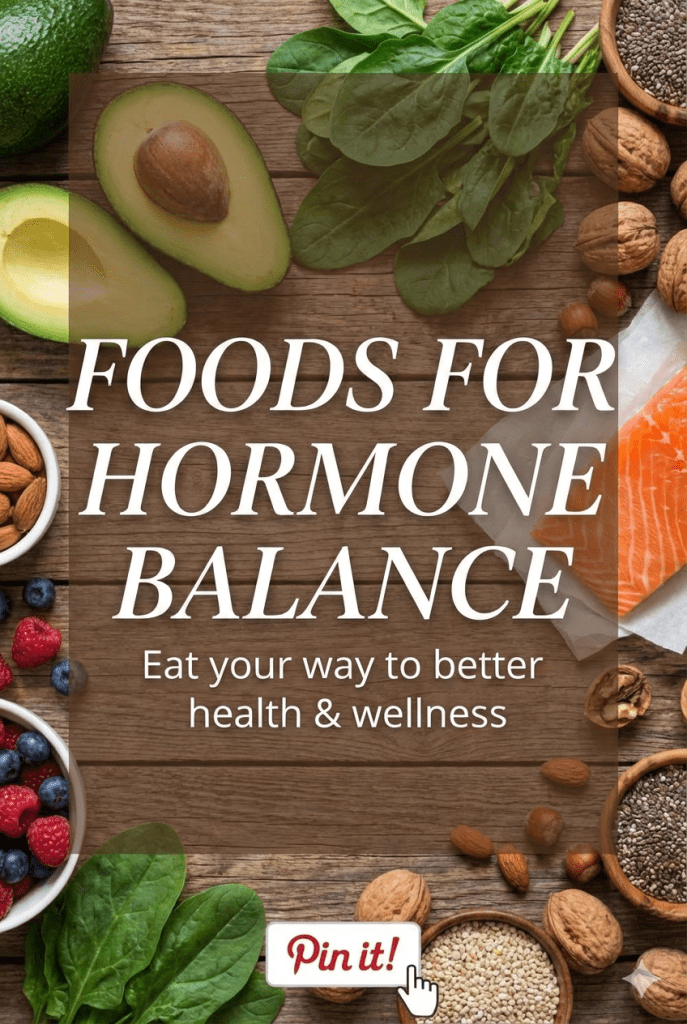
The Ultimate Guide to Foods That Support Hormone Balance

Are you struggling with persistent fatigue, stubborn weight gain, or unpredictable mood swings? While we often look for answers in a pill bottle, the secret to hormonal harmony might actually be in your pantry.

Hormones are the body’s chemical messengers, and they require specific raw materials, vitamins, minerals, and healthy fats, to function correctly. By incorporating specific hormone-balancing foods into your daily routine, you can support everything from thyroid function to blood sugar stability.

Here are the top nutrient-dense foods to help you balance your hormones naturally.

1. Healthy Fats: The Building Blocks of Hormones
Your body literally creates hormones out of cholesterol and fat. If your diet is too low in healthy fats, your hormone production can suffer.

Avocados: Rich in plant sterols, avocados help balance estrogen and progesterone. They also contain fiber which helps the body clear out excess hormones.
Wild-Caught Salmon: High in Omega-3 fatty acids, salmon reduces inflammation and supports insulin sensitivity, helping to prevent the “sugar crashes” that stress the adrenal glands.
Extra Virgin Olive Oil: A staple of the Mediterranean diet, it supports the health of the endocrine system.

2. Cruciferous Vegetables: Estrogen’s Best Friend
If you struggle with “estrogen dominance” (symptoms like heavy periods or bloating), the Brassica family is your best ally.

Broccoli, Cauliflower, and Brussels Sprouts: These contain a compound called Indole-3-Carbinol (I3C), which helps the liver metabolize and detoxify excess estrogen.
Kale and Arugula: These bitter greens support liver health, which is the primary site for hormone processing and breakdown.

3. Fiber-Rich Complex Carbs: Stabilizing Insulin
Hormonal balance is impossible if your blood sugar is on a roller coaster. Complex carbohydrates provide the steady energy your brain and thyroid need.

Quinoa and Buckwheat: These are gluten-free seeds that provide B-vitamins, which are essential for adrenal health and energy production.
Sweet Potatoes: They contain slow-burning carbohydrates and Vitamin A, which supports thyroid hormone production and skin health.

4. Probiotic-Rich Foods: The Gut-Hormone Axis
The “estrobolome” is a collection of bacteria in the gut specifically tasked with metabolizing estrogen. A healthy gut means healthy hormones.

Sauerkraut and Kimchi: Fermented foods populate the gut with healthy bacteria, ensuring that metabolized hormones are excreted rather than reabsorbed into the bloodstream.
Greek Yogurt (or Coconut Kefir): Provides probiotics and Vitamin D, a “pro-hormone” that is essential for immune function and mood regulation.

5. Seeds and Nuts: Targeted Micronutrients
Small but mighty, seeds contain specific lignans and minerals that fine-tune our endocrine system.

Flaxseeds: The highest source of lignans, which can help modulate estrogen levels.
Pumpkin Seeds: High in zinc, which is crucial for progesterone production and testosterone balance.
Brazil Nuts: Just two nuts a day provide your daily requirement of selenium, a trace mineral required for the conversion of thyroid hormones.

Pro-Tip: The “Hormone Plate” Method
To keep your hormones happy at every meal, aim for this balance:

50% Fiber: (Leafy greens, cruciferous veggies)
25% Protein: (Salmon, eggs, lentils)
25% Complex Carbs: (Sweet potato, quinoa)
1-2 Tablespoons of Healthy Fat: (Avocado, olive oil, seeds)
The Bottom Line: Consistency is key. You don’t need a “detox” or a “cleanse.” By consistently feeding your body these hormone-supporting nutrients, you provide the foundation your endocrine system needs to thrive.

Keywords: Hormone balancing diet, foods for estrogen dominance, thyroid supporting foods, insulin sensitivity diet, healthy fats for hormones, gut health and hormones.

Is It Your Hormones? 7 Telling Signs of Hormonal Imbalance

We often hear the word “hormones” thrown around in conversations about mood swings or skin breakouts, but these chemical messengers do so much more than regulate our emotions. Produced by the endocrine glands, hormones travel through your bloodstream to tell your tissues and organs what to do. They control your metabolism, sleep cycles, reproductive health, and even your body temperature.

When you have a hormonal imbalance, you have too much or too little of a certain hormone. Even tiny changes can have serious effects throughout your whole body.

If you’ve been feeling “off” lately but can’t quite put your finger on why, it might be time to look at your endocrine health. Here are seven common signs that your hormones might be out of sync.

1. Persistent Weight Gain or Difficulty Losing Weight
While diet and exercise are the pillars of weight management, hormones like insulin, cortisol, and thyroid hormones play a massive role in where your body stores fat and how efficiently you burn it.

High Cortisol: Often called the “stress hormone,” chronically high levels can lead to weight gain specifically around the midsection (visceral fat).
Hypothyroidism: An underactive thyroid slows down your metabolism, making weight loss feel like an uphill battle.

2. Chronic Fatigue and Sleep Issues
If you’re getting eight hours of sleep but still waking up exhausted, your hormones may be to blame.

Progesterone: This hormone has a calming effect. If levels are too low, you might find it hard to fall or stay asleep.
Adrenal Fatigue: Overworked adrenal glands can disrupt your natural circadian rhythm, leaving you “tired but wired” at night.

3. Persistent Acne and Skin Changes
While we associate acne with puberty, adult acne is a significant red flag for hormonal shifts.

Androgens: An excess of “male” hormones (like testosterone) can cause your oil glands to overproduce sebum, clogging pores and leading to deep, cystic acne along the jawline.
Estrogen: Low estrogen levels, particularly during menopause, can lead to thinning skin and a loss of elasticity.

4. Mood Swings, Anxiety, and Depression
Because hormones interact with brain chemistry, they have a direct line to your mood.

Estrogen & Serotonin: Estrogen helps regulate serotonin, dopamine, and norepinephrine. When estrogen drops suddenly (such as during the premenstrual phase or perimenopause), it can lead to irritability or “brain fog.”
Thyroid Disorders: An overactive thyroid (hyperthyroidism) can cause feelings of anxiety and restlessness, while an underactive one is often linked to depression.

5. Digestive Issues
The digestive tract is lined with tiny receptors for estrogen and progesterone. When these hormones are imbalanced, you might experience:

Bloating
Abdominal pain
Changes in bowel habits
Nausea
This is why many women experience digestive shifts right before or during their menstrual cycle

6. Hair Thinning or Unusual Hair Growth
Your hair is often a mirror of your internal health.

Thyroid: Changes in thyroid function can cause hair to become brittle, dry, or thin out on the scalp.
PCOS: Polycystic Ovary Syndrome often involves high androgen levels, which can cause hair loss on the head but unwanted hair growth (hirsutism) on the face or chest.

7. Night Sweats and Hot Flashes
While most commonly associated with menopause, night sweats can occur due to various hormonal imbalances. Low estrogen can confuse the hypothalamus, the body’s “thermostat”, causing it to think the body is overheating, which triggers a hot flash to cool it down.

When to See a Professional
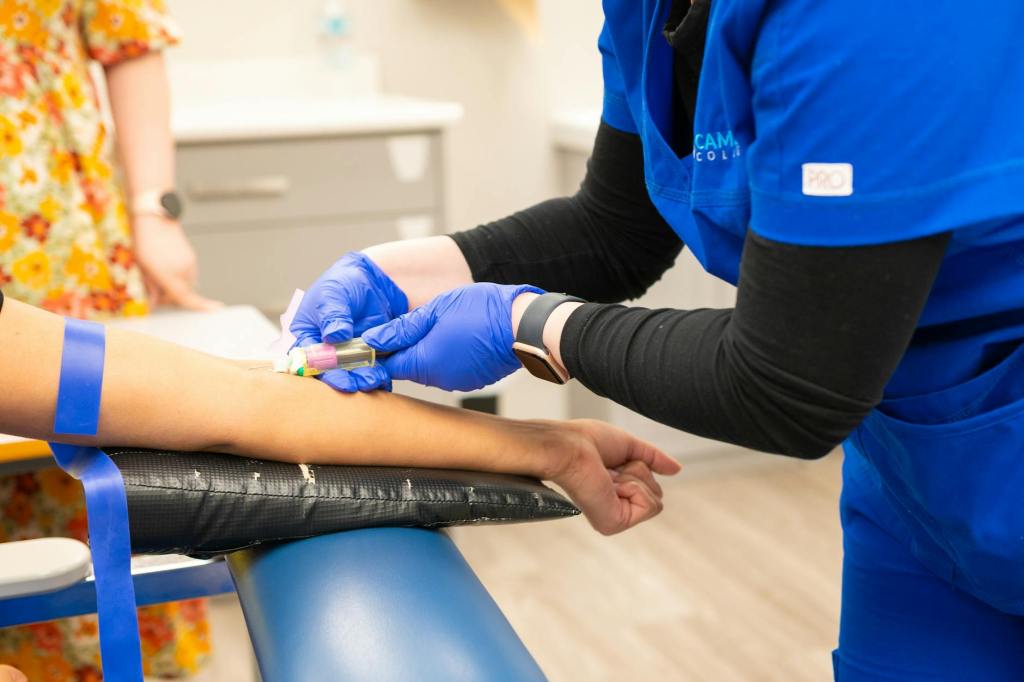
Because many of these symptoms overlap with other health conditions, it is vital not to self-diagnose. If you are experiencing several of these signs consistently, consider asking your doctor for a hormone panel (blood, saliva, or urine testing).

Simple Ways to Support Hormonal Health
While medical intervention is sometimes necessary, you can support your endocrine system through:

Prioritizing Sleep: Aim for 7-9 hours of quality rest.
Managing Stress: Practice meditation, yoga, or deep breathing to lower cortisol.
Balanced Nutrition: Focus on healthy fats (omega-3s), fiber, and adequate protein.
Regular Movement: Avoid overtraining, which can actually spike stress hormones, and focus on consistent, moderate exercise.


DISCLAIMER: This post is for informational purposes only and does not constitute medical advice. Always consult with a healthcare professional regarding any health concerns.

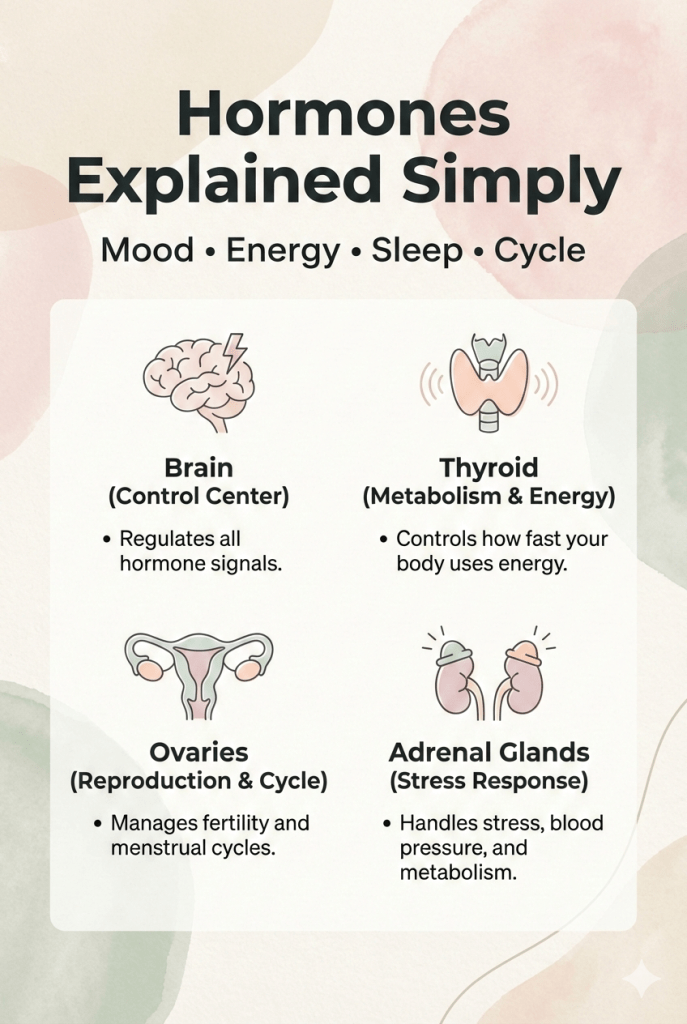
The Body’s Secret Language: Hormones Explained Simply

Have you ever wondered why you suddenly feel a rush of energy when you’re scared, or why you feel sleepy as soon as the lights go down? You can thank your hormones.
Often called the body’s “chemical messengers,” hormones are the invisible strings pulling the levers of your health, mood, and energy. Here is a simple guide to understanding how they work and why they matter.

What Exactly Are Hormones?
Think of your body like a massive, busy city. For everything to run smoothly, different departments (like your heart, lungs, and brain) need to talk to each other.
While your nervous system is like a high-speed fiber-optic cable sending instant messages, your hormonal system (the endocrine system) is more like the postal service. It sends physical chemical packets through your bloodstream to deliver instructions to specific destinations.

How They Find Their Way
Hormones travel everywhere in your blood, but they only affect the cells that are looking for them. This is often called the “Lock and Key” mechanism.
The Hormone is the Key.
The Cell Receptor is the Lock.
A hormone will float past millions of cells, but it will only “click” into place and deliver its message when it finds a cell with the right matching lock.

Why “Hormonal Balance” Matters

You’ve likely heard people say their “hormones are out of whack.” Because hormones are so powerful, even a tiny change in the amount your body produces can lead to big changes in how you feel.

  • Too much of a hormone is like a radio being turned up so loud it becomes static.
  • Too little is like a signal so weak you can’t hear the music at all.

When hormones are balanced, you generally feel energetic, sleep well, and have a stable mood. When they are unbalanced, it can lead to issues like fatigue, weight gain, or anxiety.

Summary
Hormones aren’t just “mood chemicals”, they are the essential delivery drivers of your biological instructions. By understanding that your hunger, sleep, and stress are driven by these physical messengers, you can start to listen to what your body is trying to tell you.

How Stress Impacts Women’s Health (Hormones, Energy & Mental Well-Being)

Stress is more than just feeling overwhelmed, it quietly changes how a woman’s body works. From hormones to energy levels and emotional balance, chronic stress can slowly disrupt the entire system.

Understanding how this happens is the first step toward protecting your health.

1. Stress and Hormonal Imbalance

When you’re stressed, your body releases cortisol, also known as the stress hormone. While cortisol is helpful in short bursts, too much of it for too long throws off your delicate hormone balance.

High cortisol can:

* Disrupt estrogen and progesterone
* Worsen PMS and menstrual irregularities
* Trigger acne, weight gain, and hair thinning
* Make fertility more difficult

This is why stress often shows up in a woman’s cycle before it shows up anywhere else.

2. Stress Drains Your Energy

If you feel tired all the time, stress may be the reason.

Chronic stress keeps your body in “survival mode,” forcing it to use energy meant for digestion, immunity, and repair. Over time, this leads to:

* Constant fatigue
* Brain fog
* Muscle tension
* Weakened immunity

You may sleep, but your body never fully rests.

3. Stress and Mental Well-Being

Stress doesn’t just affect the body, it deeply affects the mind.

Prolonged stress can lead to:

* Anxiety and racing thoughts
* Mood swings
* Depression
* Burnout and emotional numbness

For many women, emotional stress also becomes physical, showing up as headaches, stomach issues, or chest tightness.

Why Women Are More Vulnerable

Women’s bodies are more sensitive to stress because hormones fluctuate naturally throughout the month. Stress can exaggerate these shifts, making emotional and physical symptoms feel more intense.

That’s why managing stress is not optional, it’s essential healthcare.

Simple Ways to Protect Your Health

You don’t have to eliminate stress, you just need to support your body through it:

* Get consistent sleep
* Eat balanced meals
* Take breaks without guilt
* Breathe deeply
* Talk about what you’re feeling
* Move your body gently

Rest is not laziness, it’s healing.


Your body is always talking to you. Stress is one of its loudest messages. Listen to it, and respond with care.

A Simple Self-Care Routine for Women Who Feel Overwhelmed

Self-care doesn’t have to be expensive, time-consuming, or perfect. For many women, the idea of self-care actually feels like one more thing to do. This simple self-care routine is designed for real life, busy schedules, low energy days, and moments when you just need to breathe again.

Whether you have five minutes or thirty, these gentle habits help you feel calmer, more balanced, and more like yourself.

Morning: Start Small & Grounded

You don’t need a full morning routine to practice self-care.

Try one or two of these:

1. Drink a glass of water before checking your phone
2. Take 3 deep breaths and stretch your shoulders
3. Write one intention for the day
4. Step outside for fresh air, even for 2 minutes

Goal: Create a calm start, not a perfect one.


Midday: Reset Without Guilt

Midday self-care helps prevent burnout instead of fixing it later.

Simple midday resets:

1. Stand up and stretch for 60 seconds
2. Eat a nourishing snack without multitasking
3. Silence notifications for 10 minutes
4. Write down one thing you’ve already done well today

Reminder: Rest is productive.


Evening: Wind Down & Release the Day

Evening self-care signals safety to your nervous system.

Easy wind-down ideas:

* Dim the lights an hour before bed
* Take a warm shower or bath
* Journal one thought you’re ready to let go of
* Read or listen to calming music instead of scrolling

Focus: Rest, not routines.


Weekly Self-Care Check-In (Optional but Powerful)

Once a week, ask yourself:

1. What drained me this week?
2. What gave me energy?
3. What do I need more of right now?

This builds self-awareness and prevents burnout long-term.


Final Encouragement

Self-care is not about fixing yourself, it’s about supporting yourself. Start with one habit. Keep it simple. Let it evolve with you.

Save this routine, share it with a friend, or come back whenever you need a reset.

Listening to the Whisper: 6 Signs Your Body is Begging for a Break

In our today’s  “hustle-culture” world, we often wear our busyness like a badge of honor. We push through the fatigue, caffeinate our way out of brain fog, and ignore the nagging aches in our muscles. But your body is a sophisticated machine with an built-in alarm system. Before it breaks down completely, it sends out “whispers”, subtle signals that you are running on empty.
If you’ve been feeling “off” lately, it might not be a lack of motivation or a need for more coffee. It might simply be that your body needs rest. Here are seven unmistakable signs that it’s time to unplug, unwind, and recover.

1. You’re “Tired but Wired”
One of the most common signs of overextension is feeling exhausted all day, only to find yourself wide awake the moment your head hits the pillow. This happens when your cortisol levels (your stress hormone) are dysregulated. Your body is so used to being in “fight or flight” mode that it forgot how to enter “rest and digest” mode.

2. Minor Tasks Feel Overwhelming
Does the thought of doing the dishes or responding to a simple email feel like climbing Mount Everest? When your mental bandwidth is depleted, your executive function suffers. If your “emotional fuse” is shorter than usual and small inconveniences trigger intense frustration, your brain is likely starving for downtime.

3. Your Workouts Are Stalling
If you’re a regular at the gym and suddenly your usual weights feel heavy, or your cardio pace is dropping despite your best efforts, you aren’t losing fitness, you’re losing recovery. Muscles don’t grow while you’re lifting; they grow while you’re sleeping. Constant soreness that doesn’t go away is a loud cry for a rest day.

4. Persistent Brain Fog
We all have “off” days, but if you find yourself staring at your computer screen for twenty minutes without processing a single sentence, or if you keep losing your keys and forgetting appointments, your cognitive resources are tapped out. Sleep and rest are the “janitors” of the brain, clearing out metabolic waste that accumulates during the day.

5. You’re Catching Every Cold
Is there a lingering sniffle you just can’t shake? Chronic stress and lack of rest suppress the immune system. If you find yourself catching every bug that goes around the office, your body’s defense system is likely too fatigued to put up a proper fight.

6. Your Appetite is Unpredictable
Rest and hunger are closely linked. When you’re sleep-deprived or overstressed, your body produces more ghrelin (the hunger hormone) and less leptin (the fullness hormone). If you find yourself intensely craving sugar and simple carbs for a quick energy hit, it’s often a sign that your body is looking for fuel to compensate for a lack of rest.

How to Actually Rest (It’s Not Just Sleeping)
Resting doesn’t always mean lying in a dark room. Depending on what’s tired, you might need different types of rest:
1. Physical Rest: Sleeping, napping, or gentle stretching.
2. Mental Rest: Unplugging from screens and taking “brain breaks” during the work day.
3. Sensory Rest: Turning off the music, dimming the lights, and finding a moment of true silence.
4. Social Rest: Spending time alone or only with people who don’t require you to “be on.”


The Bottom Line
Rest is not a reward you earn after you’ve worked hard enough; it is a fundamental requirement for working hard in the first place. If you don’t pick a day to rest, your body will eventually pick a day for you, and it usually won’t be at a convenient time.


Listen to the whispers today so you don’t have to hear the screams tomorrow.

Daily Habits for Women’s Wellness: Simple Routines for a Healthier, Happier You

Women’s wellness isn’t built overnight, it’s shaped by the small, consistent choices we make every day. From hormonal balance and mental clarity to physical strength and emotional well-being, daily habits play a powerful role in how women feel, function, and thrive across every stage of life.

Whether you’re a teenager building healthy foundations, a busy professional juggling responsibilities, or navigating mid-life changes, adopting simple wellness routines can create lasting, positive change. This guide breaks down practical, sustainable daily habits designed specifically to support women’s wellness from ages 16 to 50.


Why Daily Wellness Habits Are Essential for Women

Daily wellness habits provide stability in a fast-paced world. Women experience unique biological, emotional, and lifestyle shifts throughout life, and consistent routines help support these transitions more smoothly.

Healthy daily habits can:

1. Support hormonal balance and energy levels

2. Improve mental focus and emotional resilience
3. Strengthen immunity and long-term health
4. Reduce stress and prevent burnout

Rather than relying on extreme diets or short-term fitness trends, daily wellness habits focus on progress over perfection, helping women build a healthier relationship with their bodies and minds.


Morning Habits That Set the Tone for Women’s Wellness

How you begin your day often determines how the rest of it unfolds. Morning habits don’t need to be complicated, they just need to be intentional.

Start the Day with Hydration

Drinking water first thing in the morning supports digestion, boosts metabolism, and improves concentration. Hydration also plays a key role in skin health and energy regulation.

Morning Movement for Energy & Hormonal Balance

Gentle movement such as stretching, yoga, or a short walk helps activate circulation and regulate hormones. Even five to ten minutes of movement can increase alertness and reduce stiffness.

Mindful Mornings for Mental Wellness

Practices like deep breathing, journaling, or positive affirmations help calm the nervous system and set a focused, confident mindset for the day ahead.

The Power of Taking a Break for Your Mental Health


Our mental health is like precious gold, something so important to us, and that’s why we must take care of it. It’s easy to forget that, especially when life gets demanding.


You know, life can sometimes be overwhelming, getting anxious about things, thinking about how to solve personal problems, or worrying about the future. It all builds up, and before you know it, you are mentally drained.


That’s when taking a break becomes so important. You could be working on something, putting in all your energy, and maybe things just aren’t going the way you hoped. Or, what you’re expecting just isn’t showing up. It’s okay to take a step back. Breathe. Reset.


Taking breaks is crucial for our mental health. When you take a break, you’re giving yourself permission to pause, to just breathe. It’s not about giving up, it’s about giving yourself the space to recharge.


A break does wonders for the mind. It helps clear the mental clutter, gives you the chance to re-strategize, and helps you come back stronger. Remember, it’s okay to take time for yourself. You can’t pour from an empty cup.

Design a site like this with WordPress.com
Get started